Need tree removal in Perkasie?
Need a tree taken down? Request a callback to check provider availability, or send a request and a local provider can follow up with an estimate.
No obligation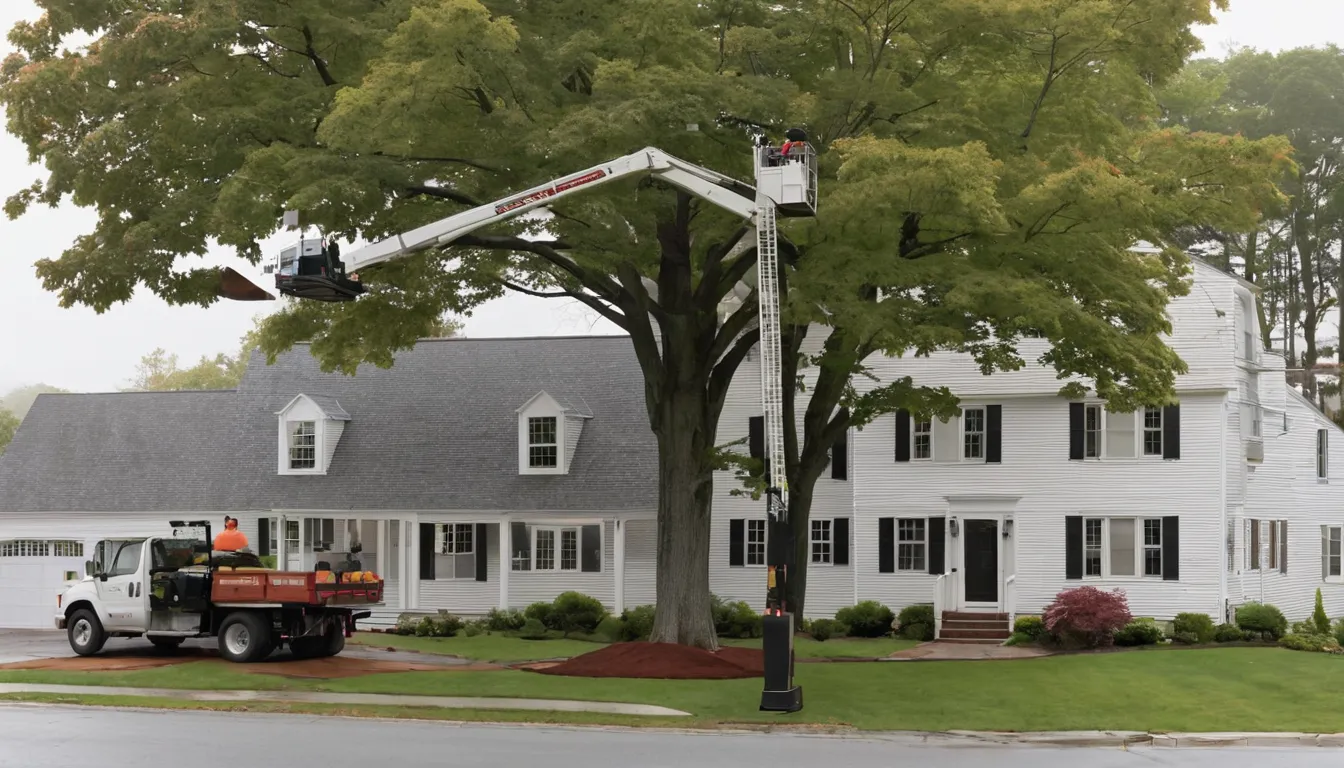
Applesons Tree Service is a referral service. We connect homeowners in the Perkasie area with independent local tree removal providers. We do not cut, climb or haul. The provider you speak with does the work and sets the price.
Start with the facts: tree size, location, and what sits underneath it. Houses, wires, fences and sheds all change the plan. Share those details when you call or request an estimate. A provider can then tell you what equipment, crew size and steps the job needs. Remove, then protect: the work does not end when the trunk is on the ground.
Check three things first. Is the tree touching a house or power line? Is it split, leaning hard, or hanging over a roof? Did a storm just hit? If yes, keep people and cars away and treat it as urgent.
Request a callback to check provider availability. Many providers can respond quickly to dangerous trees, though timing varies.
A tree touching a line is not a homeowner job. Keep clear, keep kids and pets clear, and contact the utility. Providers will not start until the line risk is handled.
Most removals fall into a few groups:
Older homes with stone or block foundations and full basements are sensitive to root pressure and drainage changes. A tree near the wall deserves a closer look.
Look for bark falling off in sheets, mushrooms at the base, deadwood in the crown, and sudden lean. Cracks where branches meet the trunk are a warning too. Cold winters add stress, because freeze-thaw cycles split weak wood.
Homeowners can safely do small things. Clear the area, move cars, pick up light debris, and photograph the tree. Cutting a small shrub at ground level is fine.
Leave the rest to professionals. Climbing, felling, rigging and chainsaw work above shoulder height cause serious injuries every year. Falling trees do not go where people expect.
Expect a clear sequence. The provider inspects the tree and site, gives a written quote, then plans the drop zone. Crews climb or use a lift, cut in sections, lower heavy pieces on ropes, and take down the trunk last.
Small, open-yard trees may be felled whole. Trees over roofs or fences are usually dismantled piece by piece. This takes longer and costs more.
A tree falling service drops the tree in one direction. It needs open space. Sectional removal is for tight lots, common in multi-family and Cape Cod style neighborhoods. Ask the provider which method fits your yard.
Price depends on height, trunk width, access, hazards nearby, and cleanup. A dead tree can cost more if the wood is brittle. Always get a written quote that lists what is included. Prices below are typical U.S. ranges and vary by job.
Some towns require a permit for large or protected trees, and rules may apply near wetlands or on historic lots. Check with your local town office before work starts. Ask the provider whether they know the local requirements. Shared trees on a property line may need a neighbor's agreement.
Ask each provider these questions:
Be careful with anyone who asks for full payment up front or only wants to top the tree. Verify coverage yourself. Applesons Tree Service does not vouch for individual providers.
After heavy snow, ask the provider about ground and ice conditions. Frozen ground can protect a lawn. Wet snowmelt soil can rut easily.
A stump left in place sprouts, rots and traps pests. Stump grinding takes it below grade so you can plant grass or a new tree. Ask if it is in the quote, since many providers price it separately.
Small problems stay small when you follow up. Fill the grind hole with soil and seed. Check that water flows away from the foundation, because a missing tree changes how the ground drains. Look at gutters and downspouts too.
Prune on a schedule, usually every few years for mature trees. Remove dead limbs early. Avoid piling soil or salt at the trunk. After coastal storms or a hard winter, walk the yard and look up.
Some policies may cover sudden damage from a fallen tree. Check your policy before work. Providers can often help document damage for a claim. Keep photos and your written quote.
Cutting the tree down in sections or whole, based on size, access and what sits below it.
Limbs, logs and brush can be cleared from the property. Confirm this is in the written quote.
Many providers grind the stump below grade so the area can be seeded or replanted.
Providers can lay mats and plan drop zones to protect lawns, roofs and fences during the job.
These are general U.S. ranges. Your price depends on tree size, access, hazards and cleanup. Ask each provider for a written quote that spells out exactly what the number covers.
| Job | Typical range | Notes |
|---|---|---|
| Small tree (under 30 ft) | $200 – $800 | Open access keeps cost lower |
| Medium tree (30–60 ft) | $600 – $1,500 | Height and trunk width matter |
| Large tree (over 60 ft) | $1,200 – $3,000+ | Often needs a crane or lift |
| Stump grinding | $100 – $500 | Varies by stump diameter |
| Hard access or near structures | $500 – $2,500 extra | Rigging takes more time |
| Debris and wood hauling | $100 – $400 | Sometimes included in quote |
Share the tree size, location and anything nearby, such as roofs, wires or fences.
Request a callback or send the request form to reach independent local providers.
Compare written quotes, coverage, cleanup terms and stump grinding options before you agree.
The provider does the work. Then you handle drainage, seeding and future pruning.
State the problem, then reach a local provider. No long forms or runaround.
We refer. Independent providers do the work and set their own prices.
Ask providers for written quotes so you can compare scope and price fairly.
Guidance continues after removal: stumps, pruning and drainage checks.
Need a tree taken down? Request a callback to check provider availability, or send a request and a local provider can follow up with an estimate.
No obligationTypical U.S. prices run from a few hundred dollars for a small tree to several thousand for a large or hard-to-reach one. Height, access and cleanup drive the number. Get a written quote.
It depends on your town. Some require permits for large, protected or wetland-area trees. Check with your local town office first, and ask the provider whether they know the local rules.
Small shrubs, yes. Anything tall, leaning or near a house or wires should go to a professional. Felling and rigging require training and equipment, and mistakes can cause serious injury or damage.
Need a tree taken down? Request a callback to check provider availability, or send a request and a local provider can follow up with an estimate.
No obligation